The Best Gear for Walleye Fishing, as Recommended by an Expert
Fishing | August 20, 2025
SAIL
May 13, 2026
Share


With the wide selection of fishing rods available at SAIL, choosing the right one can seem like a daunting task. Don’t fret: SAIL collaborator and fishing expert Ashley Rae is here to provide insight into the various types of fishing rods, as well as share some essential fishing terminology you should know. This information will help you narrow down your options and pick the right fishing rod for your next adventure!
This article was written in collaboration with Ashley Rae.
In this article, you will learn more about:
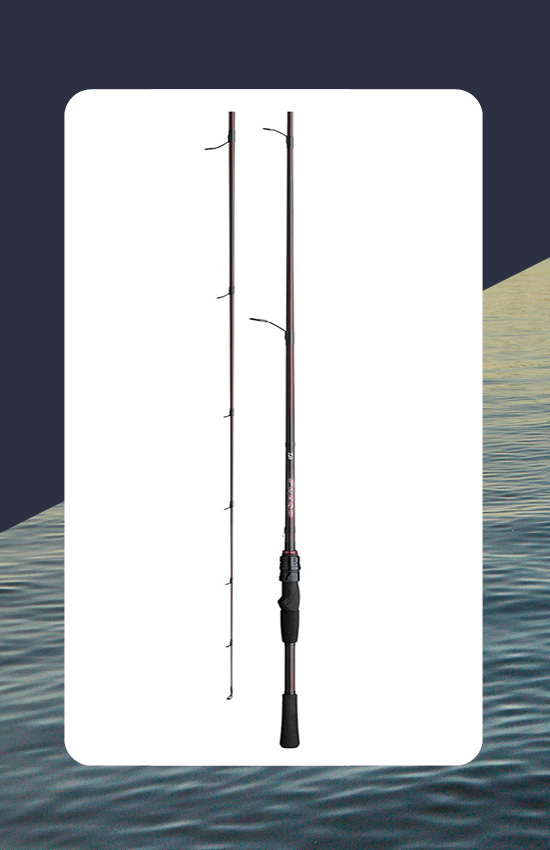
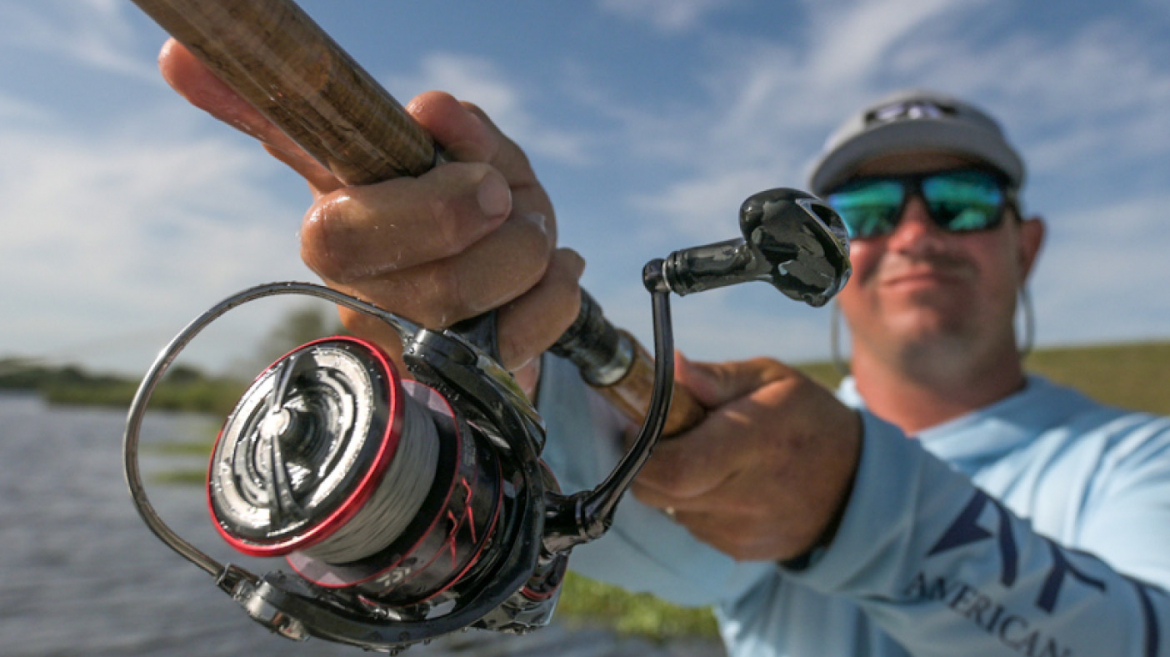
Spinning rods are compatible with spinning reels which are seated underneath the rod with the guides facing downward. They come in a wide range of lengths, powers, and actions. And in this article, you will find out exactly why those details matter.
These rods are typically available in one or multiple pieces, or even in a telescopic format, making them easy to pack and store when you’re on the move. Highly versatile and easy to use, they are a popular choice among beginners.
They work well with light tackle and light line, but there are also spinning setups geared toward heavier lures and line if you’re going after larger species.
Key takeaways:
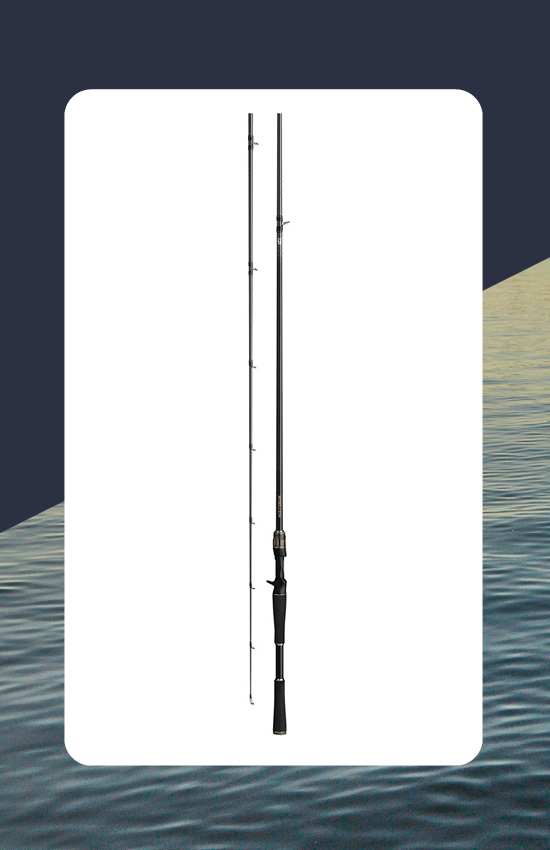
Baitcasting rods are designed to be paired with baitcaster or spincast reels which are seated on top of the rod with the guides facing upward. They typically come in one piece, though some models are available in multi-pieces or telescopic.
There’s a bit of a learning curve for some anglers when it comes to using a baitcaster set-up, but they are popular for their casting accuracy. They can also handle heavier lures and line, making them ideal for targeting larger species and fishing in heavy cover.
| Criteria | Spinning rod | Casting rod |
| Reel position | Underneath the rod | On top of the rod |
| Rod guide orientation | Facing downward | Facing upward |
| Skill level | Beginner friendly | More technical |
| Lure type | Light to medium | Medium to heavy |
| Best for | Versatility | Accuracy and power |
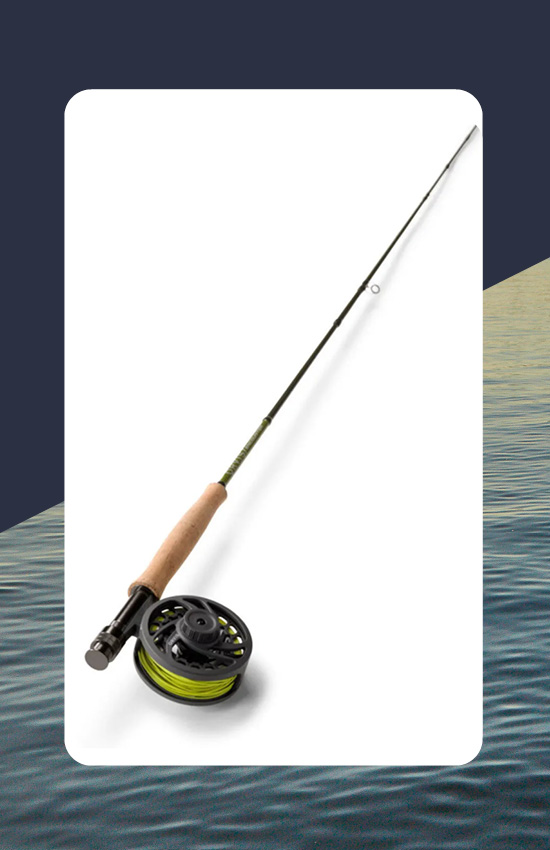
A fly fishing rod is designed specifically to be used with fly fishing reels and fly line. Fly fishing is entirely different from conventional fishing (using spinning or baitcasting gear) because the flies are nearly weightless. The cast therefore relies on the weight of the fly line rather than the weight of the lure itself. That’s why fly fishing requires its very own specialized rods, reels, line and presentations (flies).
Technical highlights:
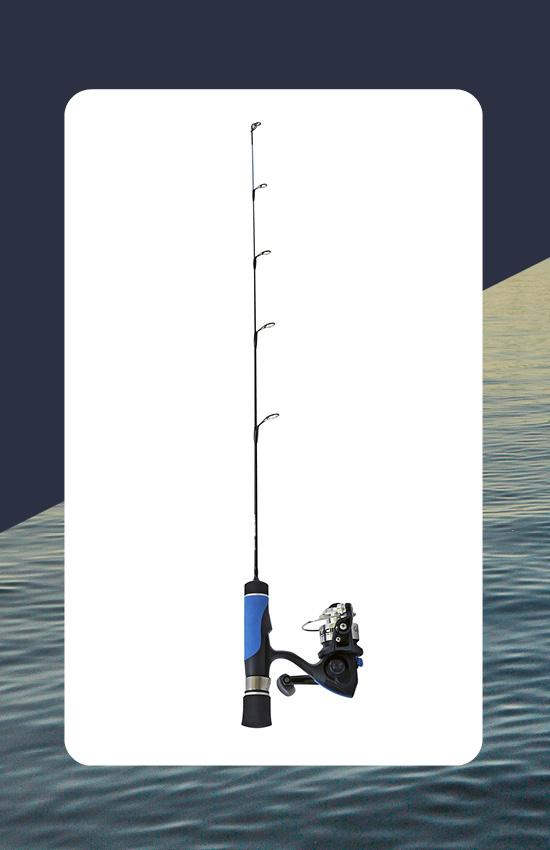
Ice fishing rods are easy to spot as they are significantly shorter than any other type of rod. That’s because ice fishing is done vertically, through a hole in the ice: no long casts needed, and no jumping fish to fight. Ice fishing rods and reels come in both spinning and casting configurations, though spinning setups tend to be more common.
Things to keep in mind:
Fishing rods are often labelled with power and action, and sometimes include recommended lure weight and line rating range. This information specifies what the rod is intended for. By following these recommendations, you’ll get the best performance out of your rod.
Power refers to the amount of force needed to bend a rod. Ultra-light and light rods are very flexible and work best with smaller baits and light line. Medium-range rods (including medium-light, medium, and medium-heavy) are a great all-around option for most situations. Heavy and extra-heavy rods deliver maximum power for targeting larger predator species.
To keep it simple:
The rod action refers to how deeply a rod flexes along the blank, starting from the tip, and how quickly it returns to the original position. Extra-fast action rods offer greater tip sensitivity and quickly transition to power during the hookset, which is ideal for single hook and bottom contact presentations which require a quick and powerful hookset. Fast action rods are the most common as they are very versatile, providing good sensitivity and forgiveness on the strike and during the fight, which can help in protecting lighter line. Fast action rods work well with both single hook/bottom contact baits, but can also be used for single hook moving baits. Moderate and moderate-fast action rods are best suited for moving baits, especially those with treble hooks, such as crankbaits, jerkbaits and some topwater lures.
Moderate-fast action rods are also popular options for fishing with spinnerbaits and chatterbaits, as they can provide a higher hook-up ratio and landing ratio. The slower action allows fish to get a better hold on the lure as it’s being retrieved. The limber tip and midsection of the rod have significantly more give before the backbone of the rod kicks further down the blank to drive the hook home, resulting in a much higher hook-up ratio. Once a fish is hooked, the slower action helps to keep constant tension on the line and softens any sudden surges which could otherwise result in pulling the hooks out as you’re fighting the fish.
When it comes to fly fishing, fly rods are assigned with a number to indicate the weight of the recommended fly line. Typically, 0-3 weight rods are considered “light”, 4-6 are considered “mid-weight”, and 7 and up are considered “heavy”.
For spinning and baitcasting rods, length selection can come down to the angler’s height and personal preference. Longer rods can help you cast farther, while shorter rods tend to give you better accuracy at close range. As a general rule, lighter power rods lean shorter, and heavier power rods tend to run longer.
Fly rods are often longer than conventional fishing rods, which helps carry the weight of the line through the cast. The average fly rod is around 9 feet (2.7 metres).
For ice fishing, length depends on where you are. In an ice shelter and space is limited? That will play a big role in your choice of gear. Beyond that, it really comes down to personal preference. A longer rod can be an advantage when targeting larger species, as it helps absorb headshakes when you’re fighting a big one.
Practical guidelines:
Find all the gear you need for your next adventure right here.
Ashley Rae is a multi-species angler, full-time fishing writer and content creator based in Ottawa, Ontario. She enjoys fishing from her boat, kayak, from shore, and on the ice. A three-time Major League Fishing Canada Champion on the co-angler side, Ashley has represented Canada internationally, competing in the MLF Toyota Series Championship in the United States. She also hosts educational fishing seminars at events throughout the year, and has built a worldwide following of over 185,000.
Follow her adventures at shelovestofish.com and on YouTube.