Best walleye fishing gear: expert tips
Fishing | June 29, 2026
SAIL
July 9, 2026
Share


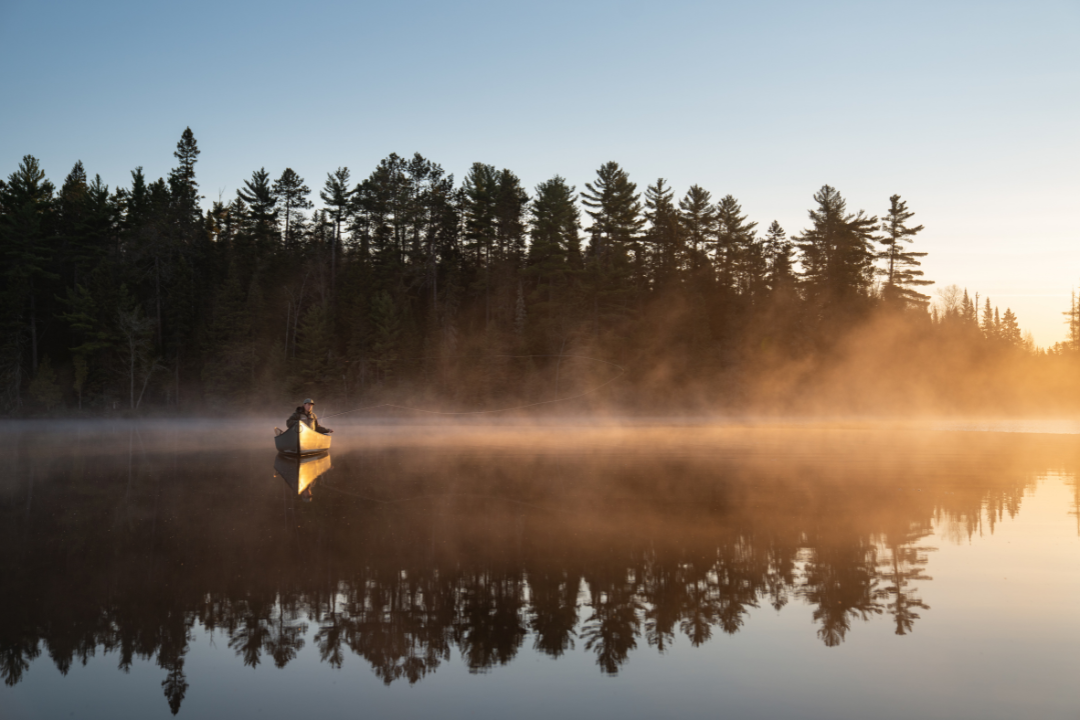
The sun slowly dips below the horizon as the sky takes on a warm orange glow. The lake is perfectly still, the evening calm and inviting. A subtle ripple among the reeds catches the angler’s attention, prompting them to quickly tie on a fly. The rod comes to life. A few false casts unfurl the fly line before the fly lands gently—right where a fish had just been feeding.
A flash of silver. The rod bends deeply. Moments later, a beautiful brook trout rests safely in the net, and the angler can’t help but smile. It’s a perfect moment.
For a fly angler, the journey is just as rewarding as the catch itself. Let’s be honest—fly fishing is more technical than spin fishing. So why choose it? The reasons are countless.
Fly anglers learn to truly understand their surroundings. They become attentive to the subtle signs nature reveals. They learn to recognize natural cycles, such as insect hatches, and develop a deep understanding of the habits and habitats of the fish they pursue.
On top of that, mastering the casting techniques takes practice and perseverance. It may seem demanding, but nothing compares to executing the perfect cast and watching a fish confidently take the fly you’ve presented. It only takes one unforgettable experience to become hooked for life.
Whether you’re looking to learn how to fly fish, choose the right fly fishing gear, or discover the best species to target—such as trout, northern pike, or Atlantic salmon—this guide will help you get started.
This article was produced in collaboration with Hooké.

In this article, you will learn about:
Before anything else, it’s important to carry a few essential safety items whenever you’re heading outdoors—whether you’re fishing or not. Ideally, you should always bring:
It may seem obvious, but wearing the right clothing can make all the difference.
The list of fly fishing equipment can be as extensive as the number of fish species you pursue, but a few essentials belong in every angler’s kit:
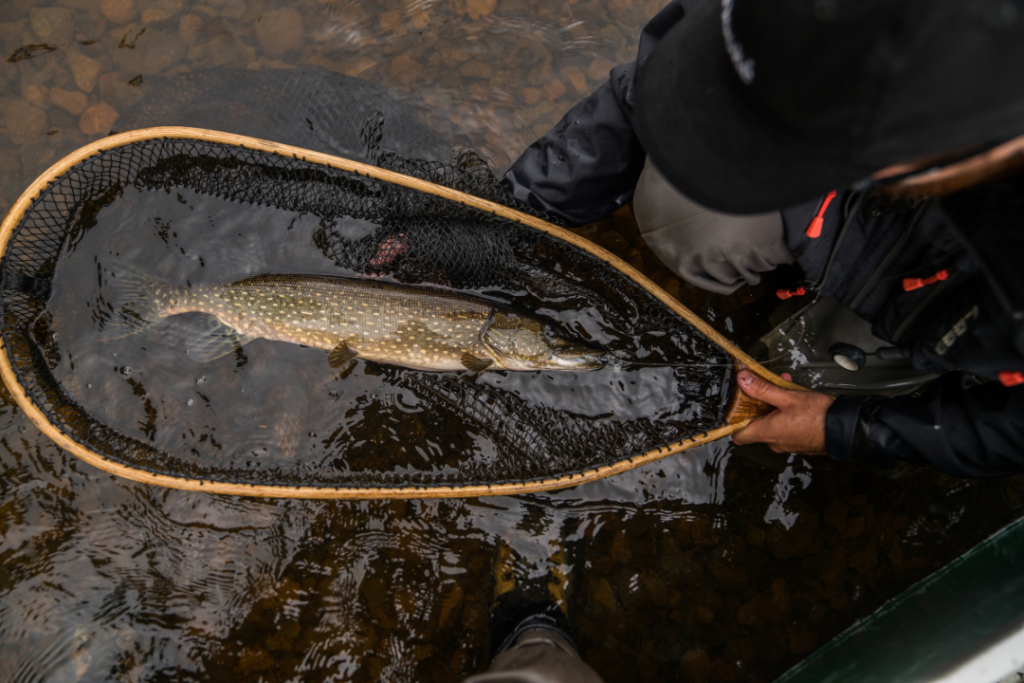
The northern pike is the freshwater equivalent of a shark—a powerful predator that can exceed 20 kg (44 lb.). Highly aggressive and territorial, it reacts instinctively to movement, making it an exciting species to target on the fly. The explosive strikes and hard-fighting nature of pike create unforgettable moments for any fly angler.
Northern pike are most commonly found in calm waters such as lakes and large rivers. Although they prefer resting in cooler, deeper water, they frequently feed near the surface, making them ideal targets for fly fishing.
Early in the season, pike often patrol shallow shoreline areas throughout the day. As summer temperatures rise, they retreat to deeper water but still move into shallow, weedy bays to hunt around sunset—even during the hottest periods of the year.
Because of the size of both the fish and the flies, you’ll want a rod rated for at least an 8-weight fly line. Anglers targeting trophy pike will generally prefer a 10-weight outfit.
Northern pike are voracious predators capable of swallowing prey up to one third of their own length. Their diet includes almost anything they can catch, including:
Don’t be afraid to throw large flies. Catching a pike on a popper is one of the most thrilling experiences in fly fishing.
A large landing net is essential when targeting pike. Because of their razor-sharp teeth, always use a leader with a wire bite tippet to prevent cut-offs.
Many anglers believe northern pike isn’t good table fare, but that’s far from the truth. Its firm white flesh is delicious and works especially well in fish and chips. While it’s a bit trickier to fillet than walleye, it is well worth the effort.
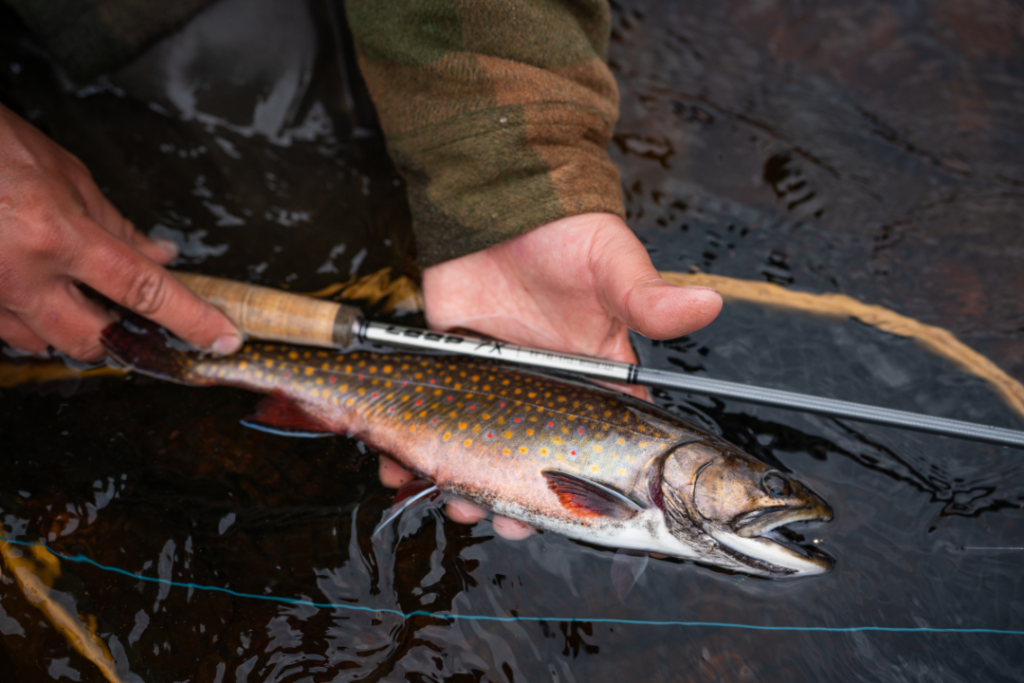
Few experiences compare to watching a trout rise and delicately sip a dry fly from the surface of a glass-calm lake. Fast, energetic and surprisingly strong, even small trout provide an exciting fight.
Trout thrive in cold, well-oxygenated, clear water. They are typically found in fast-flowing rivers, streams, and headwater lakes.
Early in the season, trout often hold in shallow water. As water temperatures increase, they move into deeper, cooler areas. They generally rise to feed on insects during the early morning or late evening.
In rivers, trout commonly hold in current seams, eddies, and slower pockets, waiting for food to drift by.
The ideal rod depends on the size of the water you’re fishing.
Trout feed primarily on insects and aquatic invertebrates, so a well-rounded fly box should include:
Selecting the right fly is often the key to success. Matching the hatch—choosing a fly that imitates the insects currently emerging—can dramatically improve your chances of hooking trout.
Trout can be extremely selective. A poorly placed cast or careless movement is often enough to put them off. Their excellent eyesight makes them particularly sensitive to shadows and sudden motion, so approach the water quietly and fish with stealth.
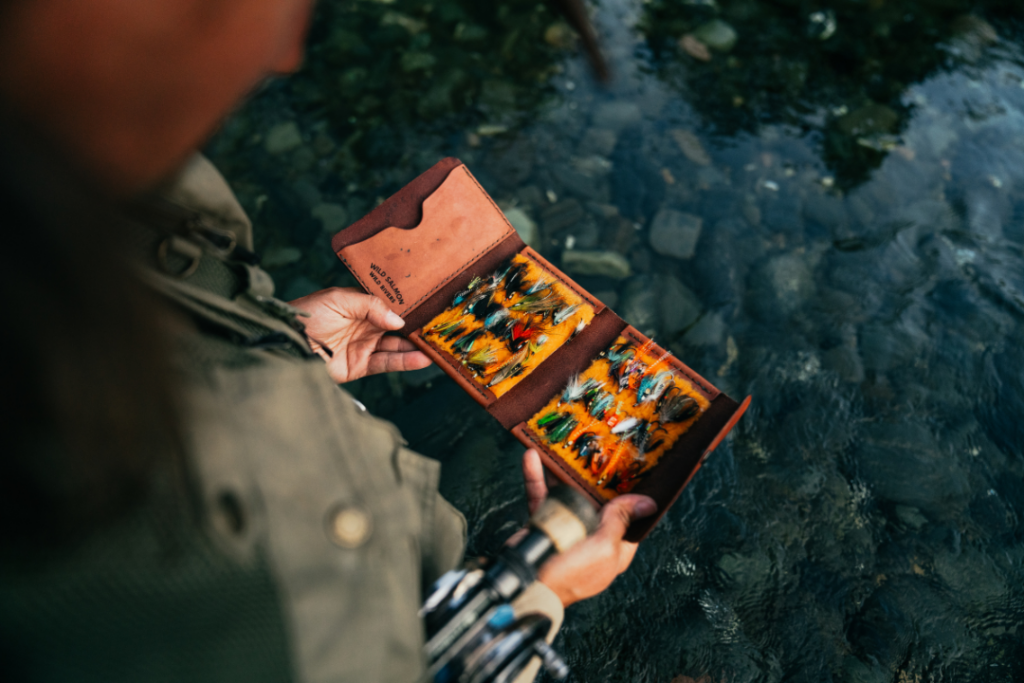
If fly fishing has a Holy Grail, it’s the Atlantic salmon. Widely considered the king of freshwater game fish, Atlantic salmon are the ultimate prize for many fly anglers. Every year, anglers from around the world travel to Quebec’s rivers hoping to hook one. Powerful, acrobatic, and notoriously unpredictable, Atlantic salmon deliver spectacular fights and present a challenge unlike any other.
Atlantic salmon are anadromous fish—they spend most of their lives in the ocean before returning to freshwater rivers to spawn. During this migration, they stop feeding altogether. So why do they strike flies? No one knows for certain. Many believe the fly simply triggers an aggressive or instinctive reaction.
Atlantic salmon populations have declined significantly over the years, making the fishery highly regulated.
Before heading out, familiarize yourself with local regulations, river etiquette and conservation practices to help protect this iconic species.
As you’ve probably realized by now, success in fly fishing depends largely on paying attention to the smallest details and continually developing your skills.
The best fly anglers share three essential qualities:
A skilled fly angler carefully studies every body of water before making the first cast.
Each species has its own feeding patterns, holding water, and preferred habitat. Learning to read currents, shorelines, underwater structure, and surface activity will help you identify where fish are most likely to be.
Observation also means understanding what fish are feeding on. Are insects hatching? Are there frogs, tadpoles, larvae or nymphs in the water? Answering these questions will help you choose the most effective fly.
Finally, keep an eye out for subtle signs of movement. Aquatic vegetation swaying without any wind may reveal a lurking pike. Surface rises often signal actively feeding trout.
Patience is essential. Sometimes your first few casts awaken a fish’s predatory instincts without producing an immediate strike. It’s surprisingly common for anglers to move on just as a fish is about to commit. Trust your instincts, have confidence in the water you’ve chosen, and give the fish time to respond.
Persistence is equally important. Some days, fish respond to one colour or presentation while completely ignoring another. If you’re confident you’re in the right place at the right time, don’t give up too quickly. Change flies, vary your retrieve, and experiment with different casting angles.
That said, persistence shouldn’t become stubbornness. Sometimes the fish have simply been spooked—or you’re fishing the wrong water altogether. Knowing when to adapt is just as important as knowing when to keep trying.
No matter which species you’re pursuing, one memorable day on the water can turn you into a fly angler for life. As your experience grows, so will your success. Learning alongside a mentor can also shorten the learning curve and help you develop good habits from the start. In the end, though, fly fishing isn’t just about catching fish—it’s about the experience itself. Enjoy the process. The rest will come naturally.
Photos provided by Hooké.