Everything You Need to Know to Get Ready for Deer Season
White-Tailed Deer Hunting | October 6, 2026
SAIL
August 27, 2026
Share


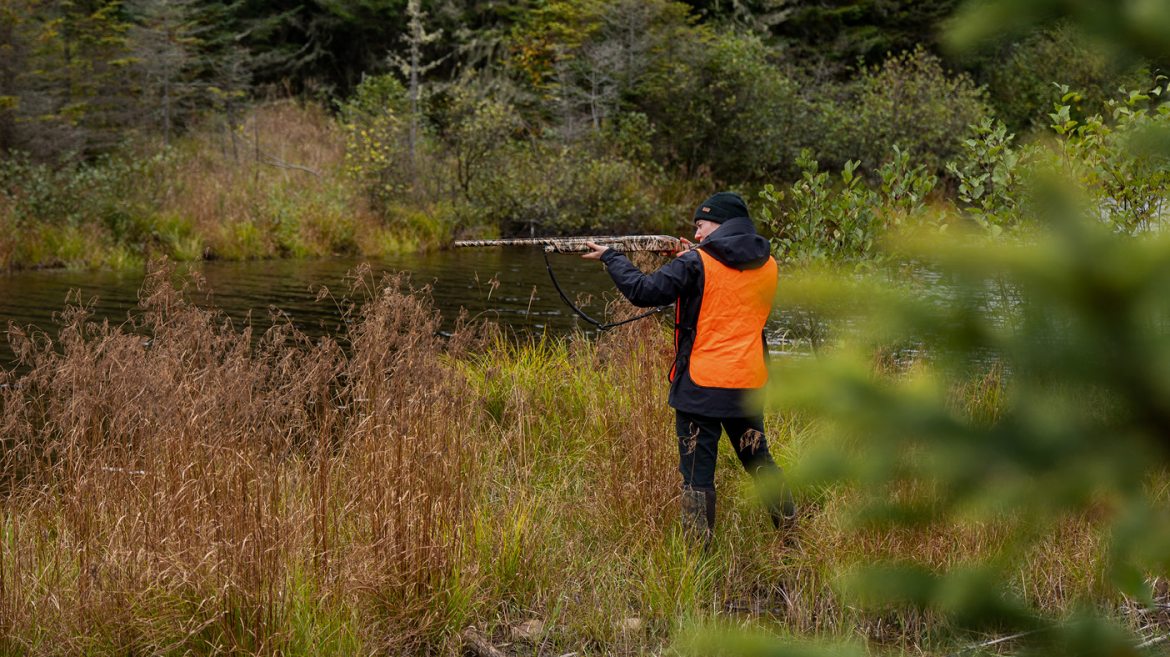
Fall in Quebec and Ontario means one thing for a lot of hunters: small game season. It’s the perfect way to get into the woods, learn to read the land and bring home your first harvest. Maybe you’re picturing yourself hunting ruffed grouse, searching for hares along forest trails, or waiting for waterfowl at the water’s edge. Whatever draws you out there, a little preparation goes a long way toward a good day in the field.
So where do you even start? From the permit you need to the season’s opening dates or what to look for in your first shotgun, there’s a lot to consider, and no time for second-guessing.
SAIL created this guide to help you plan safe, successful outings. Here, you will find expert tips on rules and regulations, camouflage, and the best firearms for the job. Bonus: you will even find a checklist of the essentials you need to pack. Need more info? We will also point you to the articles that dig deeper into whatever topic you’re keen to learn more about.
What's covered in this guide:
For newcomers to the sport, it’s a great lesson in patience. But before you head out, you’ll need to get familiar with the regulations and know exactly what you’re aiming at. In Quebec and Ontario, small game hunters mainly target these three species:
Before you can hit the field, you will need a hunter certification. That’s what allows you to buy your small game hunting licence.
In Quebec, that means completing the Introduction to Hunting course (either with a firearm or with bows and crossbows) and getting your hunter’s certificate before you can pick up a licence issued by the Ministère de l’Environnement, de la Lutte contre les changements climatiques, de la Faune et des Parcs (MELCCFP).
In Ontario, you will need to complete the Ontario Hunter Education Program, plus the Canadian Firearms Safety Course if you’re hunting with a firearm, then get your Outdoors Card before you can buy your small game licence.
Every beginner asks the same question: when does small game hunting season actually start?
Generally, the season runs from mid-September to mid-January (though hare season often stretches into March) in both Quebec and Ontario. That said, exact dates and daily limits vary a lot depending on your specific area, whether that’s a hunting zone in Quebec or a wildlife management unit in Ontario. Always check the official regulations from the relevant authority (MELCCFP in Quebec, Ministry of Natural Resources in Ontario) before heading out.
| Game type | General hunting season | Regulatory specifics |
| Birds (ruffed grouse, spruce grouse) | Mid-September to mid-January | Strict daily bag limit per zone |
| Snowshoe hare | Mid-September to mid-January | Snaring extended until March (varies by zone) |
| Waterfowl (migratory) | Early September to December | Federal migratory game bird hunting licence required |
Need help getting started? Check out Born To Hunt’s intro video for field-tested tips to help you plan your very first outing in the woods.
Finding a place to hunt on your own can be tricky if you don’t have access to private land. That’s where Sépaq’s network comes in. Quebec’s wildlife reserves offer vast public territories that make it easy to get started.
Reserves like Portneuf, Mastigouche and Laurentides are known for their dense populations of ruffed grouse and snowshoe hare. You can hunt for the day or rent a cabin specially equipped for hunting trips.
To learn more: discover our three must-visit Sépaq destinations for small game hunting.

Small game hunting is a dynamic activity. You will alternate between long walks through dense forest and still periods spent waiting in a blind. Since fall in Quebec and Ontario often brings unpredictable weather, choosing the right hunting gear is key to staying warm and dry all day long.
To avoid shivering at dawn or overheating once you’re on the move, layering is a must. Here’s how to get it right:
Pro tip: to see the layering system in action, check out FédéCP’s video on hunting clothing.
Video in French with English subtitles.
Want to go further? Check out our tips for picking the best hunting clothing.
Camouflage for grouse or hare hunting doesn’t follow the same rules as camouflage for migratory bird hunting. In dense forest, small game has sharp eyesight, but full camo isn’t always the best approach.
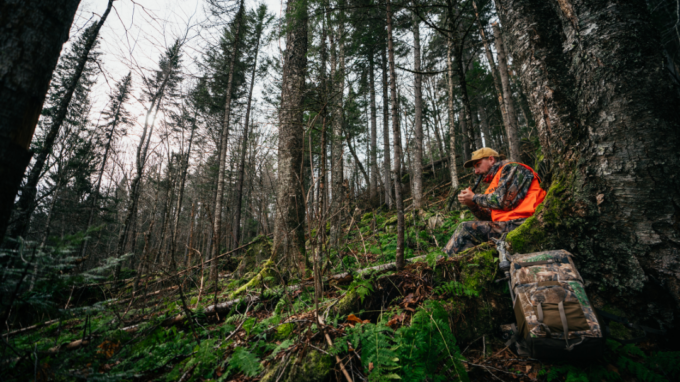
In Quebec, a fluorescent orange bib is mandatory for hunting most small game species, to keep you visible to other hunters. The trick is pairing that safety bib with forest-pattern camouflage on your sleeves and pants to break up your human silhouette in the eyes of your game.
Ontario‘s rules are different: orange is not mandatory for small game hunting (grouse, hare, etc.), unless your outing falls during gun season for deer, moose or elk. In that case, you’re required to wear hunter orange clothing and a hunter orange head covering. These have to be solid-coloured, not feature any camouflage patterns or open mesh. So for small game hunting specifically, you can go with full forest camouflage, as long as you confirm the rules for your Wildlife Management Unit (WMU) before heading out.
Camouflage tips: watch Born To Hunt’s video to learn how to outsmart your quarry.
Comfortable feet matter more than you’d think out in the woods. The wrong pair of boots can wreck your outing within a few kilometres. To make the right choice, make sure you consider these three key factors:
Want to go further? Read our expert guide on choosing the right hunting boots.

Your choice of hunting weapon comes down to the type of game you’re after and your personal style. Across Quebec and Ontario’s forests and hunting grounds, you’ve got three main options: the shotgun, the rifle and the crossbow.
The distinction between these two firearms is an important one:
Ready to make your choice?
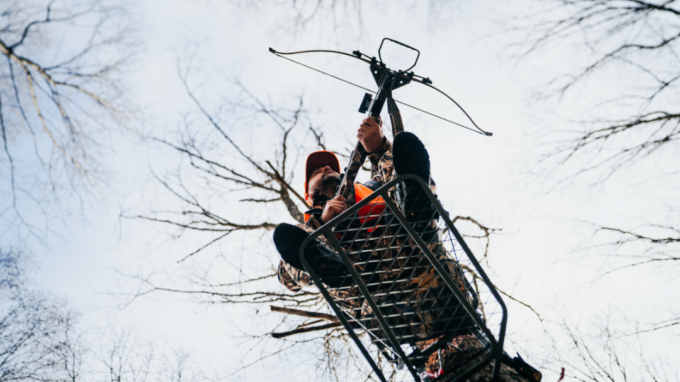
If you prefer an immersive, stealthy approach, crossbow hunting is the way to go. That said, it does require getting closer to your prey, since its range is shorter than a firearm’s.
For small game, you’ll want bolts fitted with points made just for this kind of hunting. These typically have a wide, rounded head with small hooks or a snagging surface. This particular design keeps the bolt from burying itself and getting lost under leaves or forest litter after a shot, while also limiting damage to the meat.
Technical tips: to learn everything about this hunting weapon’s specifics and how to handle it in the field, watch our introductory video on crossbow hunting.
Once you’re geared up and your hunting weapon is chosen, it’s time to pack for the trip. While big game often requires heavy, fixed setups, small game hunting is all about staying light and mobile (what’s known as still hunting). Your hunting backpack becomes your portable base camp.
On a typical day tracking grouse or hare through the woods, your pack needs to strike the right balance between staying light and carrying everything you need to stay safe and handle your harvest. Here’s the essential gear to add to your kit before heading out:
Want to get organized before you head out? Check out our complete checklist of essential gear for building your hunting pack.

When you’re searching for small game through young growth, dense birch stands or the rugged, wild terrain of Quebec and Ontario, it’s easy to lose your bearings and get turned around.
A hunting GPS (or a dedicated offline mapping app) isn’t a luxury: it’s essential safety gear. This tool allows you to:
Want to go further? Discover why GPS has become an essential tool for hunting today.

Migratory bird hunting, including waterfowl like Canada geese, snow geese and various duck species, technically falls under small game hunting, but it’s really a discipline all its own. Where forest hunting means staying on the move to flush or spot game, migratory bird hunting is the opposite: you set up, stay still and wait, usually out in farm fields, marshes or along the water’s edge.
Migratory bird hunting takes careful preparation. Success comes down to scouting flight paths and feeding areas the day before, then setting out a spread of decoys that closely mimic the appearance of your target species to lure incoming flocks within shooting range.
Want to go further? Check out our basic tips for planning your next migratory bird hunt.
Since waterfowl hunting often takes place in wet, marshy conditions on brutally cold October or November mornings, your gear needs to check some strict boxes:
Ready to head out? Check out our best tips for dressing right for migratory bird hunting.
To stay completely out of sight from birds flying over your area, hiding in a blind is a must. Depending on your terrain (dry fields, wood edges or bodies of water), you’ve got three main blind types to choose from:
Comparison in action: to see these setups in the field and learn how to camouflage them with local vegetation, watch our video on the three types of waterfowl blinds.
Video in French with English subtitles.
| Target species | Ideal firearm type | Recommended ammo/calibre | Clothing/camouflage | Key gear to bring |
| Ruffed grouse | Shotgun or rifle | 20-gauge (lead shot) or .22 LR | Orange clothing mandatory at all times in Quebec and during gun seasons (for deer, moose or elk) in Ontario | Hunting knife and game bag |
| Snowshoe hare | Rifle or snares | .22 LR or 22-gauge brass snare wire | Orange clothing mandatory at all times in Quebec and during gun seasons (for deer, moose or elk) in Ontario | Insulated hunting boots |
| Waterfowl (ducks, geese) | Shotgun | 12-gauge (nontoxic steel shot) | Full camouflage clothing | Blind and decoys |