Best Ice Fishing Lures
Fishing | October 10, 2026
SAIL
November 19, 2026
Share


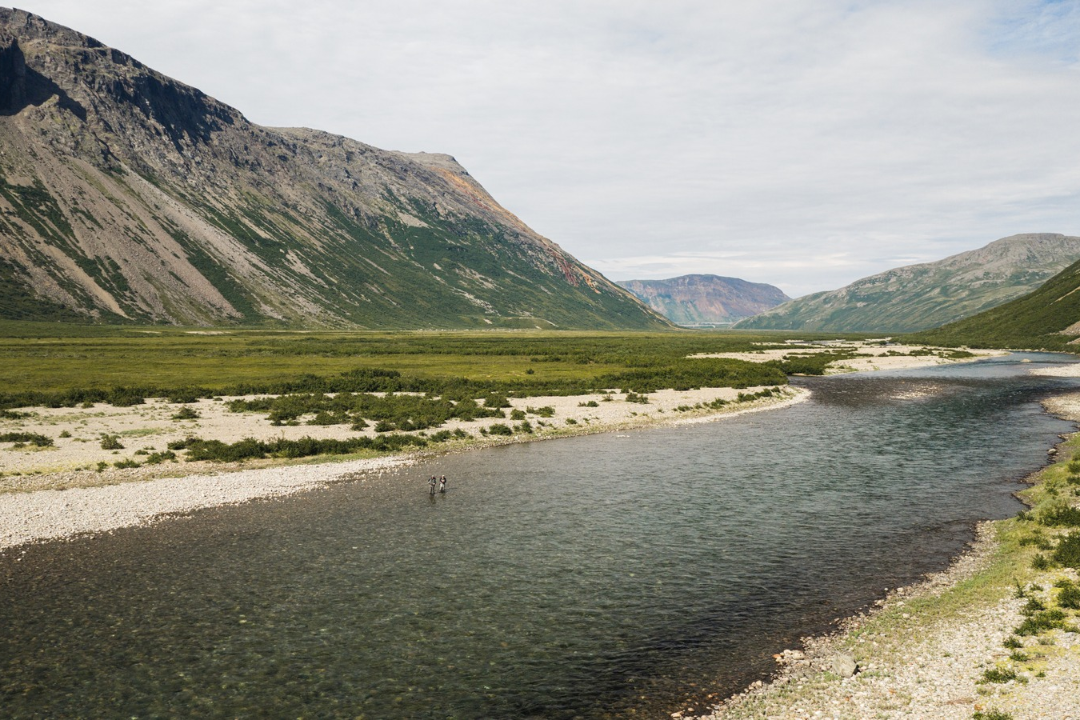
Fishing in Nunavik is one of the wildest and most memorable fishing experiences imaginable. From the George River to the Torngat Mountains and the Leaf River, these remote landscapes call for a deep respect for the land, a solid understanding of species such as Atlantic salmon and Arctic char, and, above all, a reflection on what we take from nature and what we leave behind.
In this article, Fred Campbell, founder of Hooké, takes us along on two recent expeditions to Nunavik. From sharing a freshly caught trout meal in the heart of the Torngat Mountains with chef Jeremy Charles to encountering giant salmon on the Leaf River, Fred reflects on the balance between his passion for fishing and the responsibility of preserving wildlife.
This article was written in collaboration with Hooké.

In this article, you will discover Fred's stories and reflections:
Nunavik cast its spell on me about 25 years ago. From the very first time I set foot there, I was captivated. Standing before the vastness of its wilderness and the extraordinary abundance of wildlife that calls it home, I found myself imagining what southern Quebec must have looked like before our footprints left an indelible mark on the landscape.
What surprises me even more is that every time I return, I feel like I’m witnessing a miracle. While biodiversity continues to decline dramatically in the south, wildlife in this remote northern territory seems more abundant with every visit. Under the spell of this land, I’ve developed a fascination with Quebec’s Far North that draws me back year after year.
This year was no exception. The magic of Nunavik worked on me once again, and I returned twice. Without realizing it, these two journeys brought me face to face with a question that has been on my mind for years: How do I reconcile my passion for hunting and fishing with my commitment to wildlife conservation?
For my first northern adventure of the year, I was joined by chef Jeremy Charles. His approach to cooking is deeply rooted in the land and everything it provides. An avid angler and hunter, this renowned chef builds his restaurant menus around the wild ingredients he harvests himself.
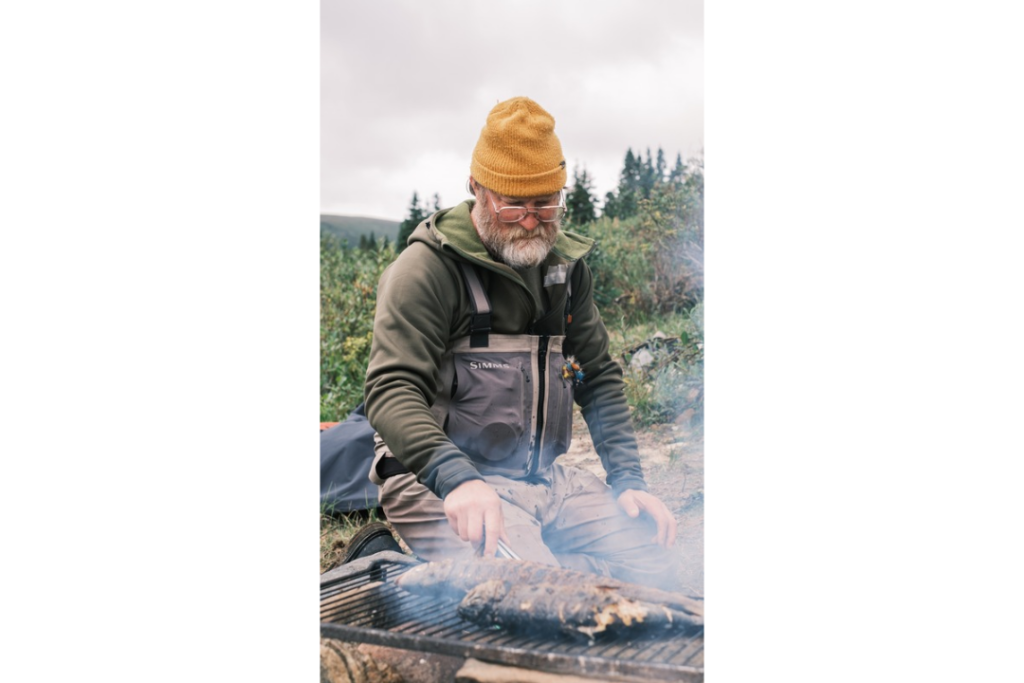
Together, we fished for Atlantic salmon on the George River. Between encounters with giant salmon that we caught and released, we spent hours talking about fishing, hunting, and the impact these activities can have on biodiversity.
Jeremy gave me a lot to think about. For him, everything comes down to respect and balance. On one hand, we must respect the wildlife we harvest for food. On the other, we must respect the limits of what ecosystems can sustain. Ultimately, Jeremy made a compelling argument that the most responsible animal protein we can consume is the kind we harvest ourselves. I have to agree with him. Industrial farming, in all its forms, can have devastating consequences for the environment.
After a few days along the George River, I wanted to experience Jeremy’s world more fully. We headed into the Torngat Mountains in search of Arctic char and brook trout, accompanied by our Inuit guide, David Merkuratsuk. This time, we weren’t just fishing for the experience. We were fishing for our next meal. Dave was visibly excited. We were travelling through the land of his ancestors.
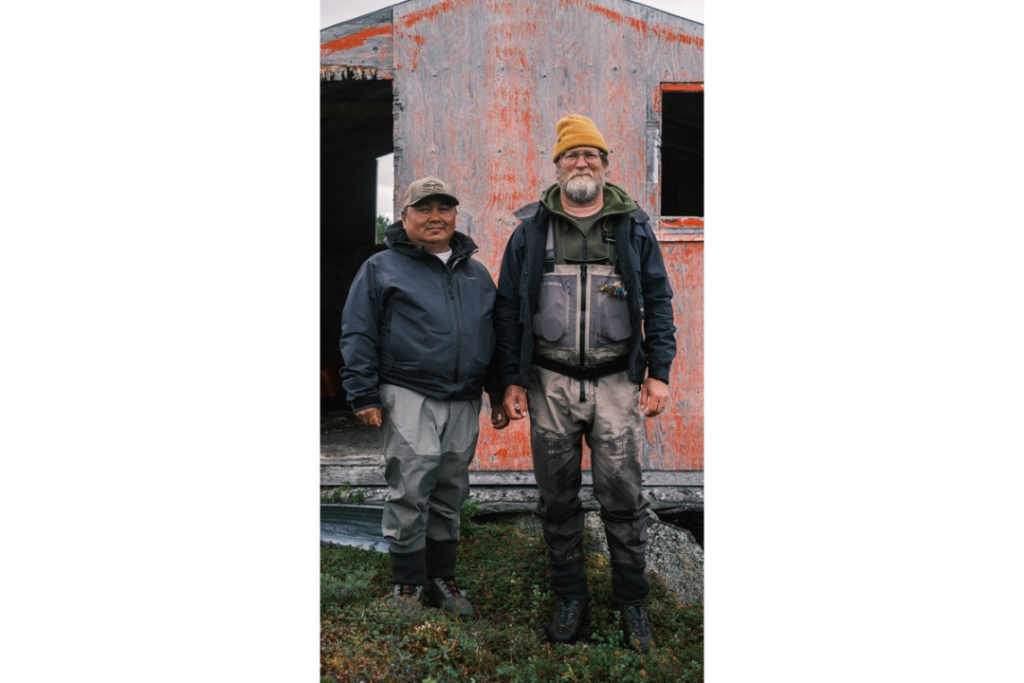
Jeremy and I asked him what he thought about eating the fish we caught. Dave looked at us with a smile, almost as if fishing purely for pleasure made little sense to him. In Inuit culture, harvesting is deeply connected to subsistence. In a way, he was reinforcing what Jeremy had told me just days earlier.
“You have to respect the animal. You have to respect the fish. The best way to show that respect is to take only what you need, nothing more,” Dave explained.
A few trout later, we kept a medium-sized fish and released the larger breeding fish. We built a fire, and Jeremy worked his magic. He served us the fish we had just caught, prepared in a way that only a chef of his calibre could. Sitting in a valley surrounded by towering cliffs, beside the river that had so generously provided our meal, I experienced a memorable moment. I had returned to the very essence of my passion: fishing to feed myself.
That meal sparked something deeper in me. Why do we fish if we always release what we catch?
In some ways, I felt that sharing this meal had connected me to the natural world around me in a way I had rarely experienced before. And as if to show me the other side of the story, my second journey to Nunavik opened my eyes in an entirely different way.
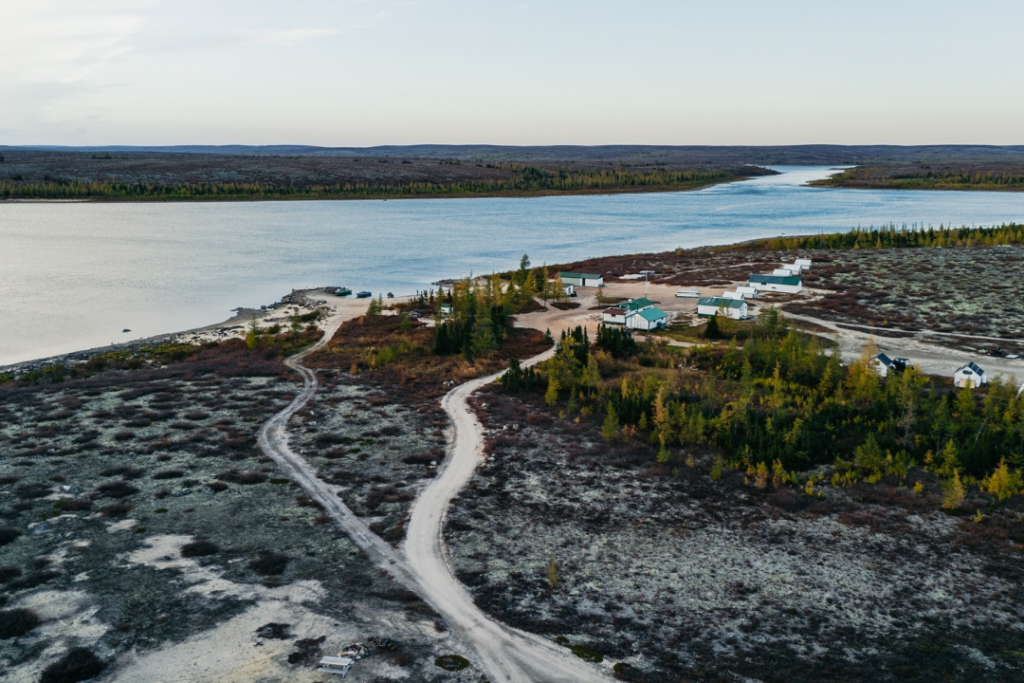
Late in the season, I travelled to Leaf River Lodge to join its owner, Louis Tardif. It was his father, Alain, who first welcomed me to the North all those years ago. I can say without hesitation that without him, Hooké would never have existed.
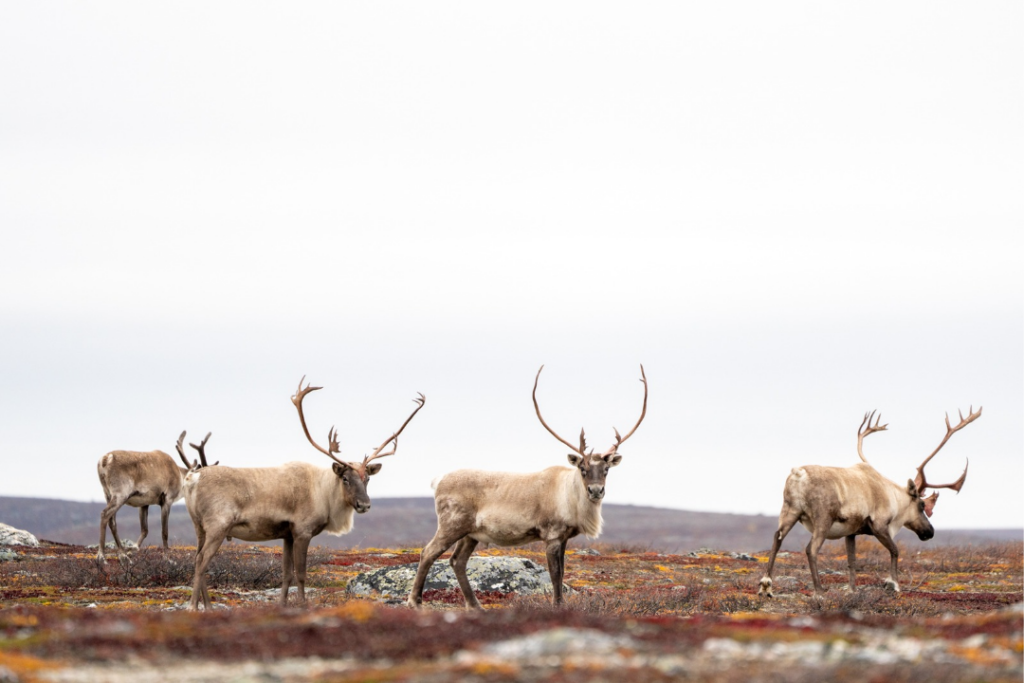
Louis and I spent the final days of the fishing season together. As always, the northern landscapes left me in awe, and once again, I was overwhelmed by the abundance of fish. We dedicated one of our days to observing caribou. This time, the rifle had been replaced by a camera, but the excitement was just as intense. After attempting to approach the animals, we suddenly found ourselves surrounded by a herd. It was an incredible moment.
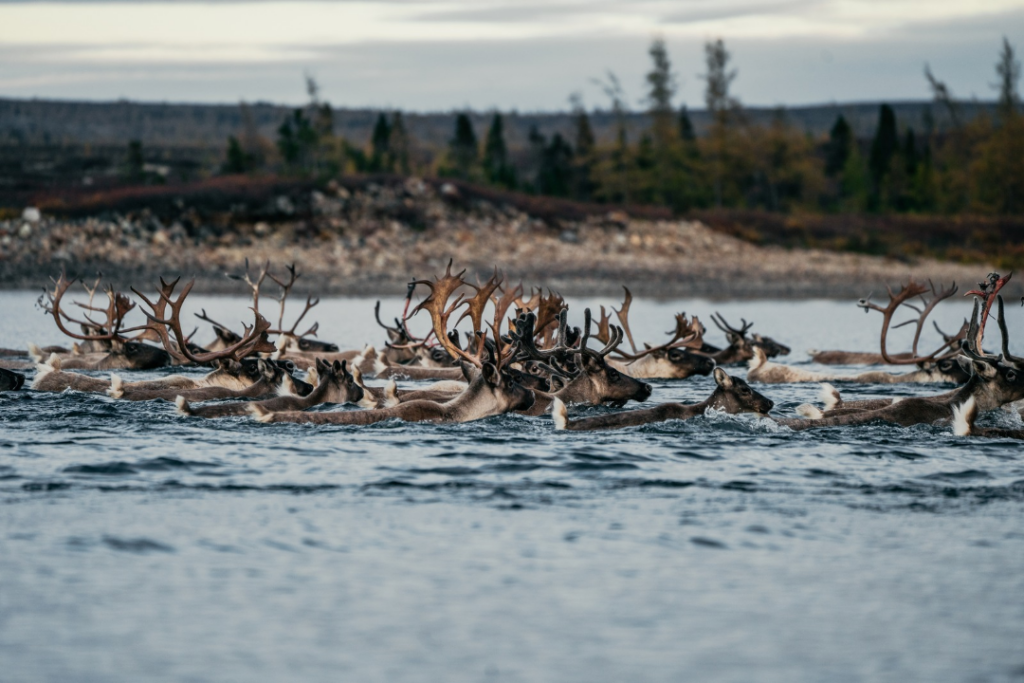
When we returned, Louis and I talked about the moratorium on caribou hunting. We also discussed Atlantic salmon and the challenges the species continues to face. Louis explained the reasoning behind several decisions his family had made regarding the lodge. His words helped me piece together the puzzle I had been struggling with, somewhere between passion and preservation.
“You know, Fred, because you experienced it yourself. There was a time when our guests always went home with salmon and two caribou each. Eventually, my father began noticing the populations declining. So we made the decision to put an end to all of that,” Louis explained.
He went on to describe the impact of those decisions today. “My father and I both saw it happening. The decision to release every salmon has had a positive impact on the population. We’re seeing far more fish than before, and they’re getting bigger and bigger.” As if to prove his point, just a few days later, on the very last day of the fishing season, one of the largest Atlantic salmon I have ever seen took my fly. I had the privilege of fighting that magnificent fish and releasing it back into the river. It was a magical moment.
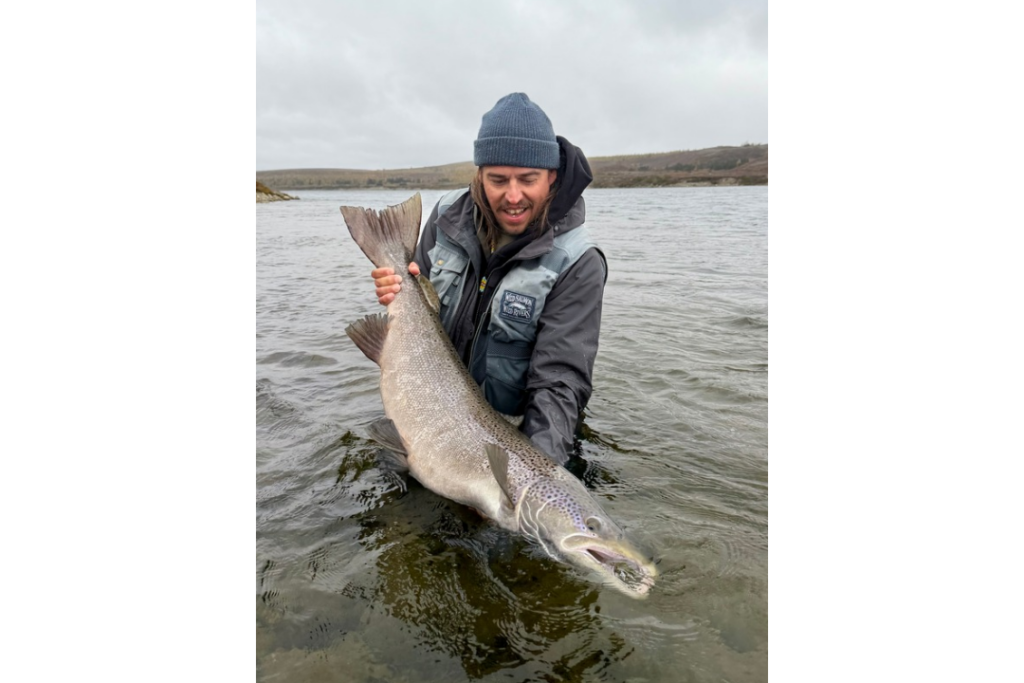
I like to think Alain was watching us from somewhere above, happy to see the river he loved growing healthier with each passing year. I have to acknowledge the courage behind those decisions. Choosing to limit harvesting when a population is already declining seems obvious.
But choosing to protect a resource while it is still abundant? That takes real vision.
Had we shown that same wisdom decades ago, perhaps Atlantic salmon populations in southern Quebec would be in a much better place today.
I’ve spent a lot of time reflecting on my two expeditions to Nunavik. On one hand, there was that extraordinary meal with Jeremy, sitting beside a river deep in the Torngat Mountains. On the other, there was Leaf River Lodge and its giant Atlantic salmon, which we watched swim back into the current.
Ultimately, I realized that the North had given me yet another extraordinary gift.
I am privileged. Privileged because there are still places in this world that remain relatively untouched, where nature continues to thrive. Privileged because I have the opportunity to travel to these places, experience unforgettable moments, and witness wildlife in such remarkable abundance.
And privileged because I can still visit places where harvesting a few fish for a meal is possible, knowing that my impact on the ecosystem will be minimal.
In the end, the dilemma I’ve been wrestling with isn’t impossible to resolve.
As Dave, Jeremy, or Louis would tell me, it all comes down to respect and balance.
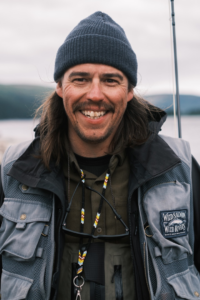
Entrepreneur, filmmaker, and outdoor enthusiast, Fred Campbell is also the founder of Hooké, a Canadian outdoor clothing brand committed to sustainability and responsible practices. Through Hooké, he has travelled the world, meeting inspiring people who share his passion for fly fishing, hunting, and the natural world.
Photos provided by Hooké.
Share