SAIL Blog

Everything You Need to Know to Get Ready for Deer Season

SAIL

October 6, 2026

Share

Facebook Email
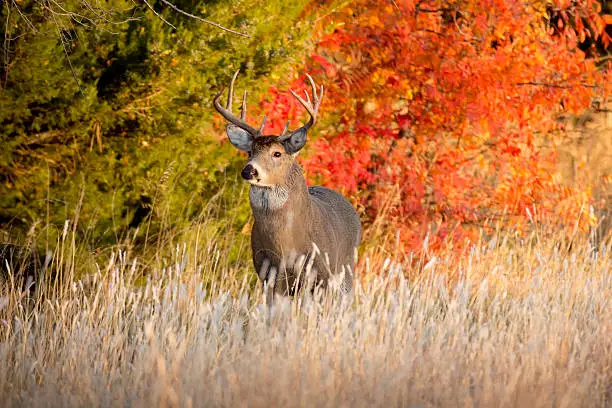
White-tailed deer standing in a field surrounded by autumn colours

Every fall, plenty of hunters come home empty-handed. Not for lack of skill, but for lack of prep. Unscouted ground, a rifle that hasn’t been well maintained, a hunting licence bought too late… Any one of these can undo months of anticipation in seconds, and good prep is what tips the odds in your favour.

We get it. Between work, family and everything else, it’s easy to put things off. But deer hunting isn’t something you throw together the night before the opening of the season. It takes months of groundwork, and every step you skip can be the difference between coming back empty-handed and bringing a trophy home.

That’s exactly why our SAIL specialists put together this guide. Let us walk you through every step, from filling out paperwork to stocking up your freezer.

In this article, you will learn all about getting ready for deer hunting:
  1. Hunting licences and other documents: the formalities to sort out
  2. How to get physically fit and ready for the hunt
  3. Target practice: your best asset for a successful season
  4. How to scout the grounds as soon as the snow melts
  5. Field safety and handling your harvest

Hunting licences and other documents: the formalities to sort out

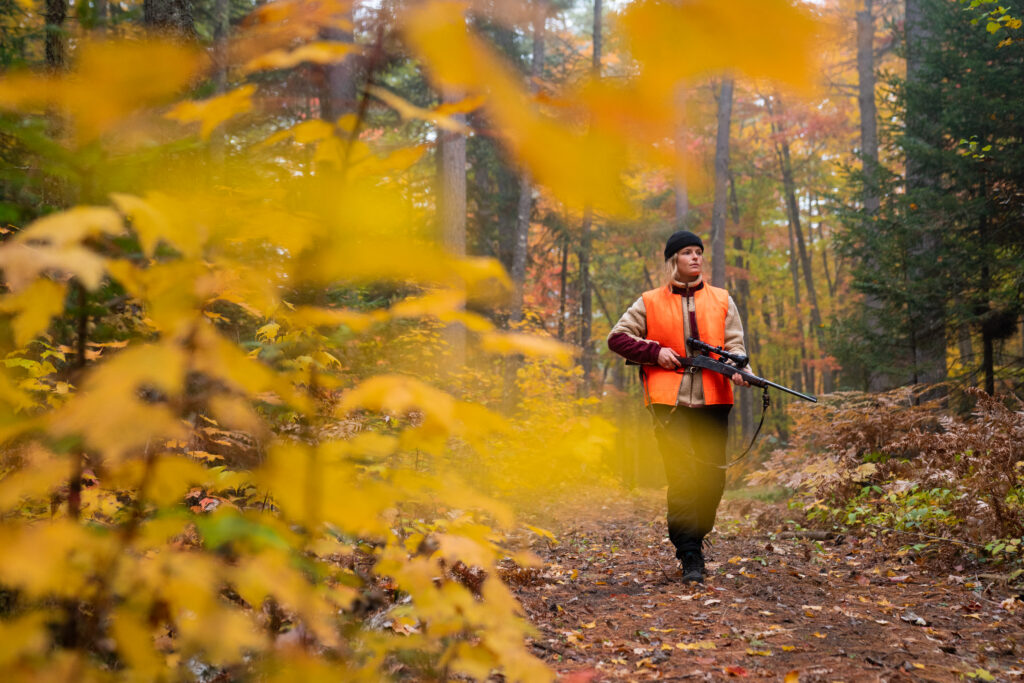
A woman hunting with her orange jacket

Before you take out your rifle or set up your trail camera, there are a few administrative steps to take care of. They might seem like small stuff, but skipping them can easily blow up a hunting trip at the last minute.

In Quebec
The mandatory Introduction to hunting course run by the FédéCP gets you your hunter’s certificate, a must if you’ve never hunted before. From there, that certificate is what allows you to buy your deer hunting licence (as well as any small game or big game hunting licence). Budget several weeks for the whole process, between signing up, taking the course and getting your certificate. Best to get on this early: processing delays can easily throw off your plans.

In Ontario
Hunter accreditation comes after passing the Ontario Hunter Education Course, which is run by the OFAH (Ontario Federation of Anglers and Hunters). That accreditation, along with your Outdoors Card, is what unlocks hunting licences and tags. Hang onto these once you get them: you will need them year after year.

Either way

  • The white-tailed deer hunting licence is valid for a specific hunting area (a hunting zone in Quebec, or a Wildlife Management Unit [WMU] in Ontario). Check dates and regulations for your specific area, since they can vary. Some areas also have extra rules layered on top of the base regulations, including outfitters, ZECs and wildlife reserves.
  • You must file a report after your hunting trip:
    • In Quebec, registering your harvested deer is mandatory. It only takes a few minutes, but it’s essential for managing the deer population sustainably, and it keeps you on the right side of the law.
    • In Ontario, you have to submit a hunter report whether you harvested an animal or not. A lot of hunters forget this part, especially when coming home empty-handed. But the requirement stands either way.
  • Access to hunting grounds depends on where you are. Private or public land, ZECs, outfitters, wildlife reserves and provincial parks each come with their own requirements. And these can shift from one season to the next: public land that was wide open last year could easily be under new restrictions this year.

It’s easy to think the paperwork can wait. But it piles up fast if you put it all off. Our best advice? Get it sorted come spring, and set yourself up for a smooth season.

Not sure where to hunt this fall? Check out our blog post on 10 white-tailed deer hunting locations in Quebec and Ontario to explore your options.

Getting physically fit and ready for the hunt

Deer hunting is a real workout, and the challenge starts long before you even pull the trigger. It’s an angle that often gets overlooked: most guides talk gear and technique, but almost never discuss the physical shape you need to actually pull off a hunting trip. Solid conditioning makes a real difference out there, both for your endurance and your ability to stay sharp when it counts.

Standing up to the cold and staying still

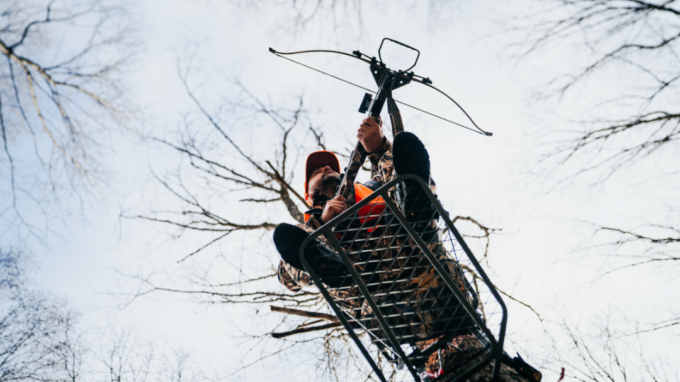
When you’re hunting from a tree stand or blind, you can easily spend four to eight hours sitting, standing or lying still in your hide. This kind of hunting calls for good clothing, sure, but also good body heat and energy management. Even with several layers on, your body cools down gradually when not moving, and fatigue can creep in before you even notice.

  • Getting used to the cold gradually before the season starts lowers your risk of having to cut a trip short due to discomfort. 
  • Spending time outside as soon as those first cool days of fall roll in helps your body adjust naturally.
  • Hunters who stick it out to the end, instead of packing it in early because of the cold, genuinely improve their odds of finally seeing that long-awaited deer show up.

Dragging a deer out of the woods: the real physical test

Harvesting a deer means dragging it out of the woods for hundreds of metres, sometimes over rough ground, through brush, or up and down hills. That’s a serious effort, and one that usually comes after a long day that has already drained your energy and focus. The good news? A few weeks of prep is often all it takes.

  • Good cardio, plus a few training outings, like hikes with a weighted pack, will make a real difference on the big day.

Do you practise still hunting? Walking endurance is just as crucial as patience, and training becomes all the more important.

Practice makes the shot: why trigger time matters

It may be tempting to blame your gear when a trip doesn’t go as planned, but a missed shot or a wounded animal that isn’t recovered almost always comes down to a lack of pre-season practice. And no top-of-the-line rifle or bow is going to change that. Here’s how to improve your odds of hitting your mark before opening day:

  • Sight in your rifle or bow several weeks ahead of time, never the night before you leave. Transport, a bump, or even a simple change in temperature can be enough to throw off your point of impact. Make sure you’ve got time to adjust your gear before you’ve got a deer in your sights.
  • Simulate your actual hunting conditions: position, angle, and distance from your blind. Practise in your hunting clothes, too, to test your range of motion. A perfect shot at the range means nothing once you’re sitting in a blind, bundled up in layers, hunting weapon pointed at an awkward angle toward the ground.
  • Respect your maximum ethical range. A precise shot at close range always beats a risky shot at long range. Knowing how to resist the temptation of a bad shot, even when adrenaline’s running high, is what separates the pros from the beginners.

Taking the time to practise properly is also a way of respecting the animal: a clean, ethical shot should always be the number one goal of every hunt.

To choose the right hunting weapon and optics for your setup, check out our article How to Hunt Deer: Techniques and Gear.

Scouting season: what actually matters beyond the trail cam

Setting up a camera and picking a blind is a solid starting point. But preparing your territory goes way beyond that: it’s an ongoing process that starts months before opening day and takes just as much observation as it does planning.

A few key steps to keep in mind:

  • Take the time to really get to know your territory. Do your homework, study satellite imagery, and learn how to navigate the grounds. Scout out trails, feeding areas and water sources so you understand how the animals move about.
  • Identify several strategic access points (ways in and out). Factor in wind direction and distance from game: if the wind shifts, you’ll be able to adjust on the fly.
  • Take advantage of spring. Scout locations for your blind, cut trails for the deer, and prep your mineral licks. If you can, set up your blind early: deer will get used to it and treat it as part of the landscape well before the season starts.
  • Check and maintain your access trails before the season. A clear trail means less noise, no scent, and a deer that doesn’t feel you coming.
  • Check your sightlines. A spot that’s perfectly clear in May can end up completely blocked by vegetation later in the season.
  • Always have a backup plan. Rain, flooding, unfavourable wind: an area that suddenly becomes inaccessible can throw everything off. No problem, as long as you’ve got another option!
  • Get on the same page before you head out. Who’s hunting where? At what time? How will you communicate if someone harvests a deer? Sort these things out with your group to avoid mix-ups… and to make sure you don’t miss your shot at filling the freezer.

To learn everything about setting up trail cameras and choosing between a tree stand, a ground blind or still hunting, check out our article on how to hunt white-tailed deer.
Field safety: the one thing you forget until you need it

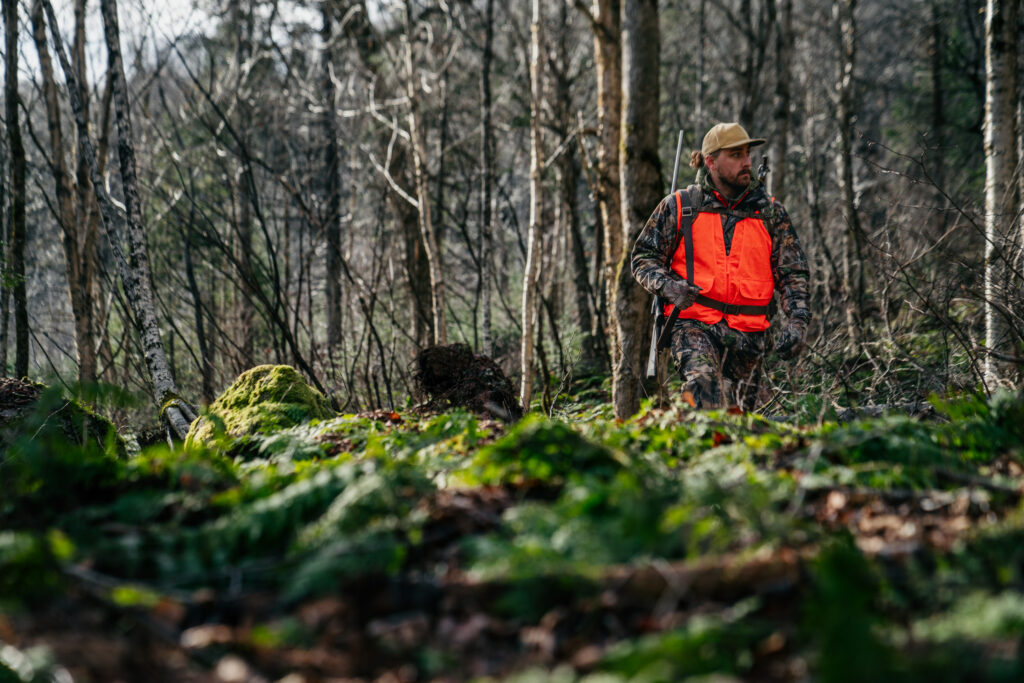
A man wearing camouflage clothing and a hunter orange vest walking through a forest during deer hunting season

Field safety isn’t just a beginner’s topic. A fall, a medical emergency, a hunt that runs longer than planned… even the most experienced hunters can end up in a situation they didn’t see coming. Here’s how to be ready for it:

  • Share your hunting plan. Note the location and expected return time, and pass it along to someone outside your group. If you’re seriously overdue, they will be able to call for help and point rescuers in the right direction.
  • Always bring a proper first aid kit. Hypothermia, cuts during field dressing, sprains on rough terrain… The most common hunting injuries have nothing to do with your firearm; they come from handling sharp tools and moving around on difficult ground.
  • Wear your hunter orange during any movement. In a group, set clear shooting zones and communication signals with your hunting partners, and talk it through before you even step into the woods.
  • Have a reliable way to communicate, like a two-way radio or satellite device. A lot of hunting zones sit completely outside cell coverage.

Gearing up for the unexpected

Here’s everything you should always have in your backpack:

  • Warm enough clothing to stay comfortable all day long. Hypothermia is a very real risk out in the woods, especially if you’re hunting from a stand or blind, which means staying still for hours at a time. Our top tip: pack an extra layer, no matter what the morning forecast is telling you.
  • A compass, GPS or map of the area. Even in a sector you know well, low visibility or suddenly taking off to track an animal can throw off your bearings fast.
  • Snacks and enough water to keep you going all day, and even overnight if you end up stuck in the woods (unlikely, but worth being ready for).
  • Hearing protection. Easy to toss in the bag, just as easy to forget, but non-negotiable once a firearm is involved. Damage from repeated gunshots builds up over time, and it’s permanent.

Field dressing, cooling, butchering: what you need to know

Once the animal is down, the work is just getting started. Handling, transport, registration: there are rules to follow, and the clock is ticking to protect the quality of your meat.

  • Field dress the animal within an hour of taking it. A sharp hunting knife makes all the difference and will allow you to work safely and with precision.
  • Cool the carcass as fast as possible. Aim for an internal temperature under 45 °F (7 °C) within 24 hours: remove the viscera, quarter the animal, and prop the pieces up off the ground.
  • Plan the carcass’s transport ahead of time (sled, cart, help from your group…). It should never end up dragging on the ground or sitting in the back of a vehicle.
  • Protect the meat: keep it shaded, away from insects and dust, under treated cheesecloth.

Deer hunting checklist

At SAIL, our experts have thought of everything so you can head out knowing you’ve got everything you need. Here’s what to pack for a successful hunting trip:
  • Hunting licence and required documents (hunter’s certificate, accreditation, Outdoors Card, etc.)
  • Hunting weapon and ammunition
  • Compass, GPS or map of the area
  • First aid kit
  • Regulation hunter-orange vest or clothing
  • Hearing protection
  • Backpack
  • Two-way radio or satellite device
  • Field dressing gear (skinning knife, carrying bag, cooler for the meat)
  • Unscented body care products
  • Waterproof, silent camo clothing (hiking boots, pants or bibs, jacket)
  • Warm clothing and accessories (parka, sweater, gloves, hat, neck warmer, socks)
  • Snacks and water

FAQ

How far in advance should you start getting ready for deer hunting season?

How often should you practise shooting before hunting season?

When does deer season open?

Can you go deer hunting alone?

How much does a deer hunting licence cost?

You might also like